


In a precision manufacturing environment, the smallest particles are often the biggest enemies. Whether you are managing a pharmaceutical lab, an electronics assembly line, or a high-end food processing plant, the integrity of your cleanroom depends on one thing: rigorous contamination control.
While air filtration systems and protective garments are standard, one of the most common sources of contamination is often overlooked-the floor. Studies show that up to 80% of contaminants enter cleanrooms via the shoes of personnel and the wheels of carts. This is where a simple yet highly effective solution comes into play.
The First Line of Defense at Your Doorway
From a factory perspective, maintaining a sterile environment isn't just about compliance; it's about protecting your yield and reducing waste. Sticky Mats serve as a critical barrier at the entrance of controlled environments.
By utilizing a high-tack adhesive surface, these mats pull fine dust, dirt, and metallic particles from shoe soles and casters before they can be tracked into a sensitive zone

Efficiency in Every Layer
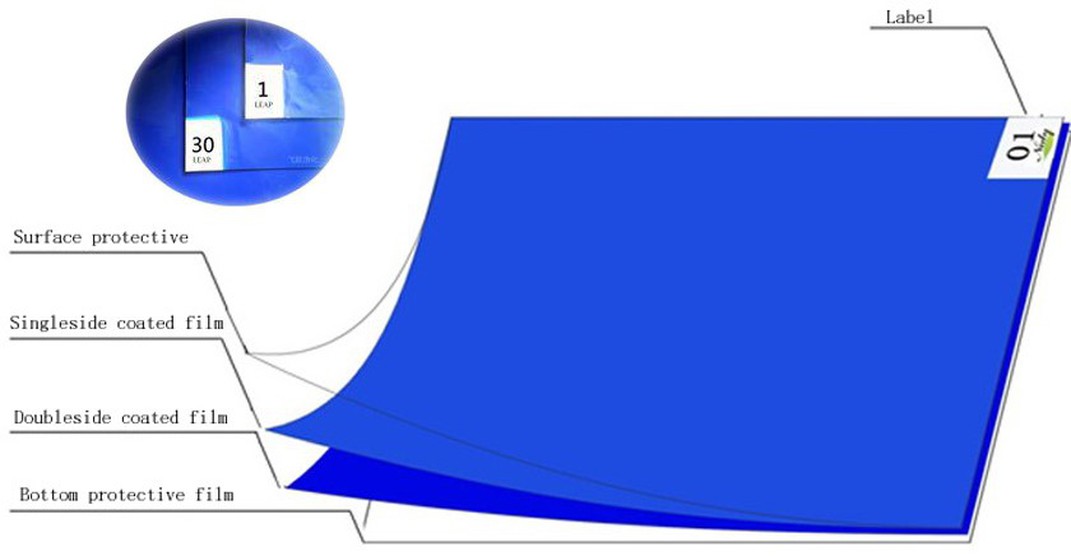
Modern contamination control requires tools that are easy to maintain. The multi-layer design of professional-grade Sticky Mats allows for quick transitions; once the top sheet is saturated with debris, it is simply peeled away to reveal a fresh, ready-to-use adhesive surface. This ensures that your workflow remains uninterrupted while the protection remains 100% effective.
Choosing Between 30-Layer and 60-Layer Options
From an operational standpoint, selecting the right thickness is a balance between foot traffic volume and maintenance labor cost.
| Feature | 30 Layers per Pad (Standard) | 60 Layers per Pad (High Capacity) |
| Replacement Frequency | Higher; ideal for labs with low to moderate personnel entry. | Lower; designed for large-scale factories and high-traffic shift changes. |
| Profile & Safety | Thinner profile; minimizes any tripping hazard or "step-up" feel. | Thicker; recommended for use with a dedicated frame to secure edges against heavy carts. |
| Procurement Strategy | Best for facilities prioritizing lower upfront unit costs and fast inventory turnover. | Best for maximizing long-term ROI and reducing the manual labor of peeling sheets. |
Choosing the Right Grade for Your Factory
Not all mats are created equal. When selecting a solution for your facility, consider the following:
Adhesive Strength: Needs to be strong enough to grab dust but not so "sticky" that it poses a tripping hazard or leaves residue on shoes.
Layer Count: Usually 30 or 60 layers per mat to balance replacement frequency with cost.
Placement: They should be long enough to ensure both feet of a walking person make contact with the surface at least once.
For any factory manager or quality control specialist, the goal is to eliminate variables. Contamination is a variable that can be controlled. By integrating effective floor-level filtration into your SOPs, you aren't just buying a mat-you are investing in the consistency of your final product.
Protecting your cleanroom starts from the ground up. Does your current protocol address the 80% of contaminants entering through your doorways?