



What is the difference between anti-static ESD clothing and general work clothes?
Anti-static ESD garments are generally made of synthetic fabrics with conductive filaments embedded in them. It is an antistatic fabric that is made of high-quality materials and comes in a variety of styles such as split, head, and one-piece. Anti-static overalls are generally used in dangerous places that are sensitive to static electricity or prone to fire and explosion, such as petroleum, chemical, mining and special industries. The principle of anti-static workwear Anti-static workwear mainly uses the corona discharge and leakage discharge mechanism of metal fibers, sub-conductive fibers or antistatic synthetic fibers to eliminate the electrification of clothes and the human body. In other words, when grounded, the static electricity on the fabric can be neutralized not only by the corona discharge of the conductive fibers, but also by the discharge of the conductive fibers to the ground. When not grounded, the weak corona discharge of conductive fibers is used to eliminate electricity. Practice has proved that anti-static ESD clothing can effectively suppress the static electricity of the human body and clothing, and eliminate or reduce the harm of electrostatic discharge.
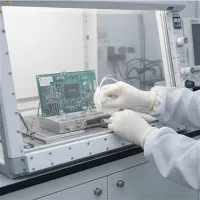
Therefore, electrostatic sensitive products should be equipped with anti-static ESD clothing and other anti-static tools in the production process, so as not to cause damage to the product and bring unnecessary losses! Anti-static ESD garments comply with the principle of eliminating static electricity. Embedding conductive fibers in the warp and weft direction of the fabric can effectively release human static electricity and achieve the effect of anti-static. Anti-static workwear has a dust-proof effect, long-term and efficient anti-static performance, and a thin and slippery touch. The production process of anti-static ESD clothing is strictly controlled, and the sewing process and all materials are carefully required to achieve the effect of reducing fine dust and avoiding environmental pollution.