




Electrostatic suits and regular antistatic suits serve different purposes, and their main differences lie in their design, characteristics, and areas of application:
1. Purpose
Antistatic suits are designed to prevent the accumulation of static electricity and reduce the risk of sparks or explosions. They are mainly used to protect personnel and environments where flammable materials are present.
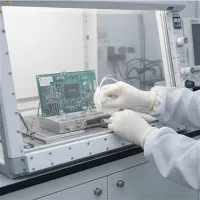
Electrostatic discharge (ESD) protective suits are intended to protect sensitive electronic components and equipment from electrostatic discharge. They are used in environments where even small static discharges can damage delicate components.
2. Characteristics and Materials
Antistatic suits: These have a surface resistance ranging from 10^9 to 10^12 ohms/cm. They prevent the buildup of static electricity by slowly dissipating charges to avoid sudden discharges.
ESD protective suits: Typically feature lower surface resistance (from 10^5 to 10^12 ohms/sq.m) and are designed to dissipate static charges more quickly and efficiently.
3. Areas of Application
Antistatic suits: Widely used in industries such as petrochemicals, oil and gas, and general manufacturing, where the risk of ignition from static electricity is high.
Electrostatic suits: Mainly used in electronics manufacturing, semiconductors, and other industries that handle sensitive components.
4. Standards
Antistatic suits: Comply with standards such as EN 1149-5, which aim to prevent sparks and explosions.
Electrostatic suits: Comply with standards such as IEC 61340, which focus on protecting sensitive components and processes from electrostatic discharge.
5. Level of Protection
Antistatic suits: Offer a lower level of protection, primarily to prevent the formation of static electricity and reduce the risk of sparks.
Electrostatic suits: Provide a higher level of protection, ensuring that sensitive components are not damaged by static discharge.