


Choosing the right consumables is a critical decision that directly impacts the integrity of your controlled environment. As a manufacturer, we understand that a cleanroom wipe is not just a piece of fabric; it is a precision tool designed to manage contamination risks.
Selecting the wrong material can lead to particulate shedding, chemical reactions, or surface scratching-all of which result in costly production downtime or product failure. Here is a technical guide to help you navigate the selection process from a manufacturing perspective.
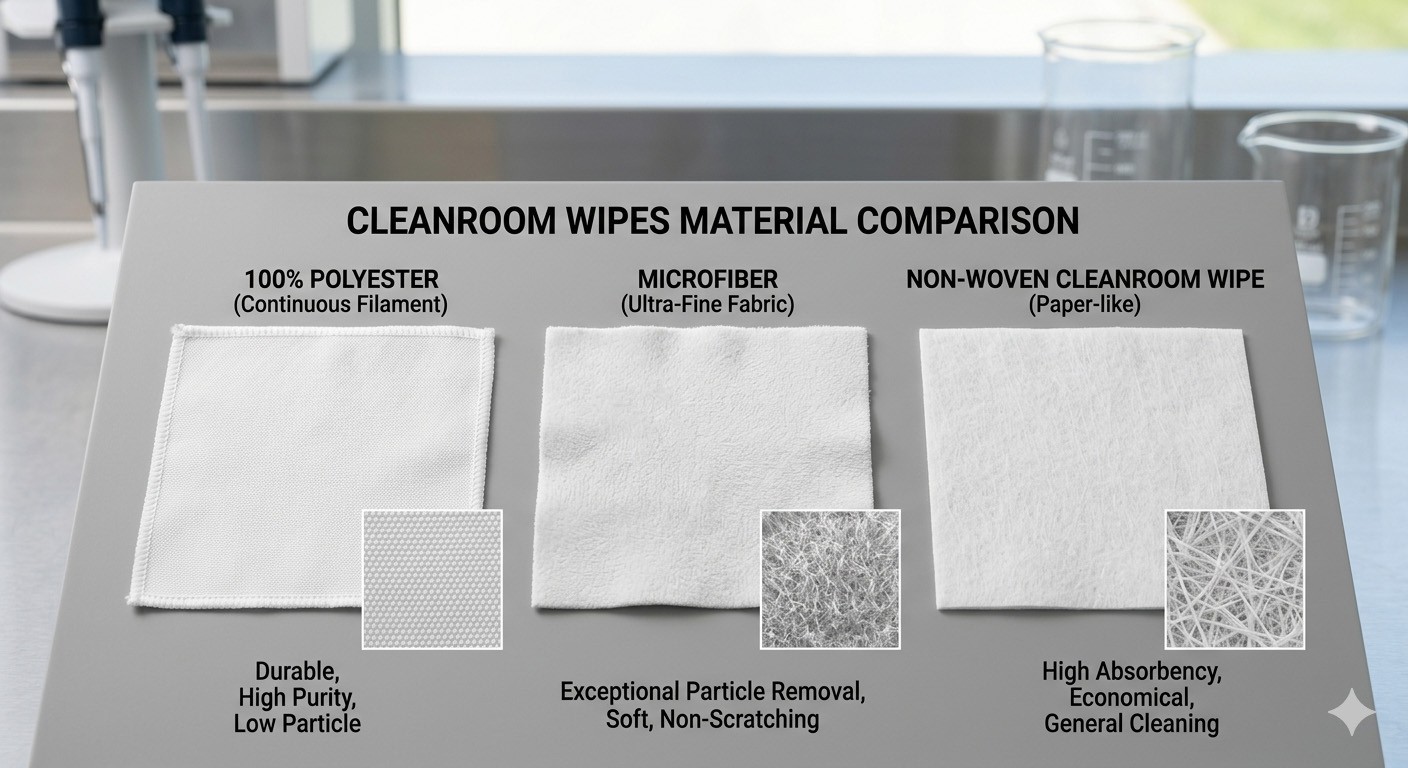
The performance of a wipe starts with its fiber composition. Each material offers distinct advantages depending on the type of contamination you are managing:
- Polyester (Continuous Filament): Ideal for ISO Class 3-5 environments. These are extremely low in particles and fiber shedding. They are durable, abrasion-resistant, and high-purity.
- Polypropylene: Best for acid and chemical resistance. This non-woven material is often used for wiping down equipment or absorbing hazardous spills.
- Polyester/Cellulose Blends: These offer a balance of cleanliness and high absorbency. While not suitable for the highest-grade cleanrooms, they are cost-effective for general cleaning in ISO Class 6-7 areas.
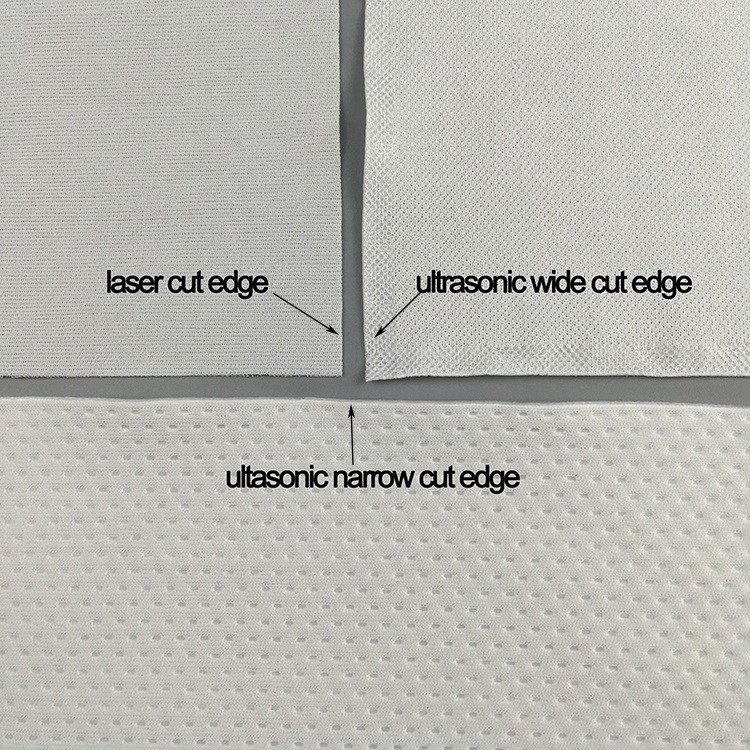
The "edge" of a wipe is often the primary source of particulate contamination. When we manufacture high-grade Cleanroom Wipes, we focus on how the borders are sealed to prevent fiber release:
- Knife Cut: Suitable for less critical areas where cost is a factor.
- Laser Sealed: The heat from the laser melts the fibers together, creating a hard, clean edge that significantly reduces linting.
- Ultrasonic Sealed: This provides the highest level of protection, creating a soft yet secure border that won't scratch sensitive surfaces while maintaining maximum particle retention.
A common mistake is choosing a wipe based solely on how much liquid it holds. In a lab setting, you must balance intrinsic absorbency (how much liquid the material can soak up) with extrinsic cleanliness (how many ions or particles the wipe adds to the environment).
For example, if you are cleaning a spill of IPA (Isopropyl Alcohol), you need a material that releases the solvent evenly rather than trapping it within the fibers. Microfiber options are often preferred here as they increase surface contact, allowing for "one-wipe" decontamination.

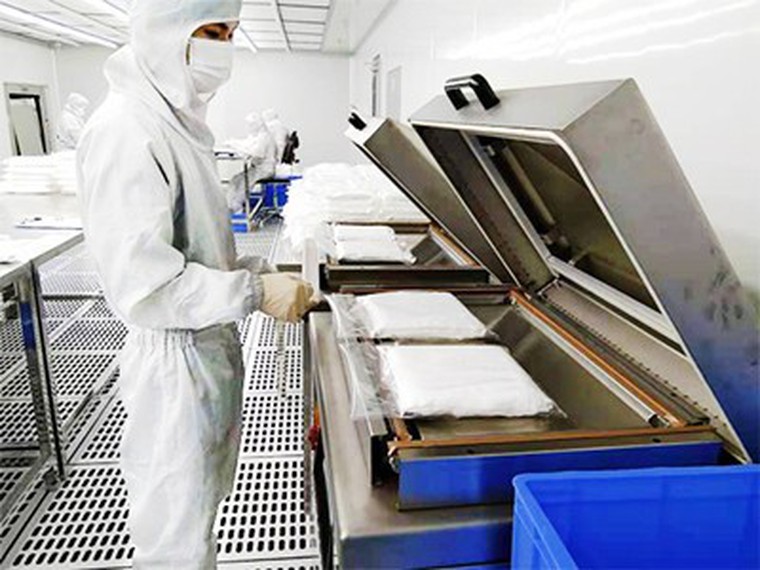
If you are operating in a life sciences or pharmaceutical lab, sterility is non-negotiable. Look for wipes that are Gamma Irradiated to a Sterility Assurance Level (SAL) of 10E-6. Additionally, ensure the packaging is "cleanroom-ready"-usually double-bagged-to allow for staged entry into the controlled zone without introducing exterior dust.
Before placing an order, ask your supplier for the Technical Data Sheet (TDS) and verify the following:
- NVR (Non-Volatile Residue): How much residue is left after the solvent evaporates?
- Ion Content: Are levels of Sodium or Chloride low enough for your specific process?
- LPC (Liquid Particle Count): Does it meet your ISO class requirements?
By choosing a wipe engineered for your specific cleanroom grade, you protect your equipment, your research, and your bottom line. Investing in high-quality materials today prevents the catastrophic costs of contamination tomorrow.